




Today, we're announcing Hummingbird's Agent Orchestration Platform – a shared workspace for your AI agents and your analysts to work together from the same information while following your procedures. You get oversight into every action, with one record of everything that happens.
Compliance work has always been a coordination challenge, with a single case moving across many individuals and systems.
Now AI agents are doing some of that casework, taking it off compliance teams’ plates – screening customers, triaging alerts, and drafting narratives. But what agents can’t do is coordinate work with other agents or with your team. Each agent handles the task it was built to do, without knowing what other agents found or what your team already concluded about the same customer.
So the coordination challenge doesn’t go away – it grows with every agent you add. Your analysts are left as the orchestrators, swiveling between systems to carry a case forward and reconstructing the record when a regulator asks what happened. The more agents working across your program, the harder it is to manage what each one can do.
Today, that changes. Hummingbird's agent orchestration platform gives your AI agents and your analysts one place to work together, under your oversight and control. In Hummingbird, every agent works from the same case information your analysts have. Work moves between agents and people in the order your procedures specify, with your team stepping in wherever you decide. Every action lands in one record, so you can show exactly how a case worked by several agents and analysts reached the decision it did.
Here's what that looks like in Hummingbird.
We believe AI agents should do real compliance work, in concert with your team, while meeting your standards and faithfully following your procedures. But no single agent can do all of the work that a case requires. Entity research, transaction analysis, watchlist screening, drafting a narrative – these are different kinds of work, best done by different kinds of agents.
Your agents need one place where they can work from the same information, coordinate with each other and with your team, and record what happened. Hummingbird is that place, and we support every agent in your program:
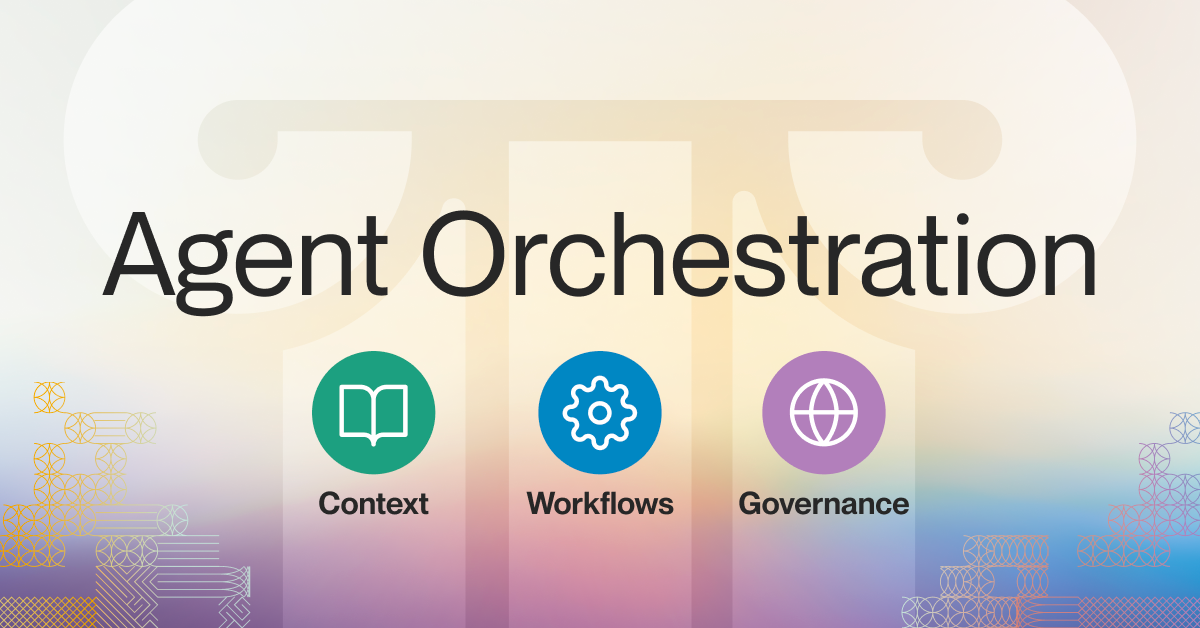
Much like your analysts today, AI agents need three things to do compliance work: the full context of a case, workflows to structure how the work gets done, and a governance layer that keeps their work defensible.
An AI agent working a case needs the same information an analyst does: the entities involved, their activities, and whether your team has looked at them before. Without it, the agent works from a partial picture, and the analyst reviewing its work has to find what's missing before they can answer the questions: does anything here look off, and is it worth digging into?
Hummingbird brings this essential context into one place:
Even with access to the right information, your AI agents still need to know how to work together and with your team. Without a connecting workflow, each agent completes its task and stops, leaving your analyst responsible for the next handoff.
In Hummingbird, you can build multi-agent workflows tailored to your policies and procedures, connecting the agents that handle each step and the people who review their work. Here's what that looks like on a single case, from alert to filing:
You decide where your team sits in that multi-agent workflow – which steps require a person, and which decisions can't advance without approval. And when a person does step in, they see what the agent did and why, because every action is fully explainable with complete reasoning.
AI agents working your cases are taking actions you'll be held accountable for. The questions you'd ask about work your analysts are doing apply here, too: what data can the AI agent access, how much can it do on its own, and how do you check its work?
In Hummingbird, you set those controls:
When an examiner asks how a decision was made, you have one place to point. Every action an agent took, every decision a person made, and the reasoning behind each lives in the same record.
Compliance programs won't run on one perfect agent. They'll run on a team of AI agents and analysts working together – drawing on the same context, moving through workflows you define, and operating under shared governance that keeps every action defensible.
That takes a platform built for seamlessly orchestrating compliance work – what leading financial institutions like Raymond James, Etsy, Plaid, Crypto.com, and DraftKings all trust Hummingbird to help them do.
Ready to see what agent orchestration could look like in your program? Schedule a meeting with our team.

.png?width=394&name=Blog%20Asset%20%233_%20Blog%20hero%20(1).png)